The Case for Classics: Beauty, Complexity, and the Power of Ancient Learning
Classics
A recent article by writer and journalist Philip Womack in The Telegraph warned that school closures driven by financial pressures on the sector will accelerate “the continued decline in the teaching of classics”. He argued that all pupils should have the chance to study Latin, stating that “Latin should be a vital part of the state school curriculum… it is beautiful, in and of itself. And beauty should be available to everyone.”
Inspired by his reflections, our Head of Classics, Claire Binney, felt compelled to share the impact that studying Classics has on the girls at Royal High Bath.
Why Study Classics?
“Latin should be a vital part of the state school curriculum.” As Head of Classics, I could not agree more, and I am delighted to see the excellent work Classics For All is doing to support the teaching of Latin in the state sector.
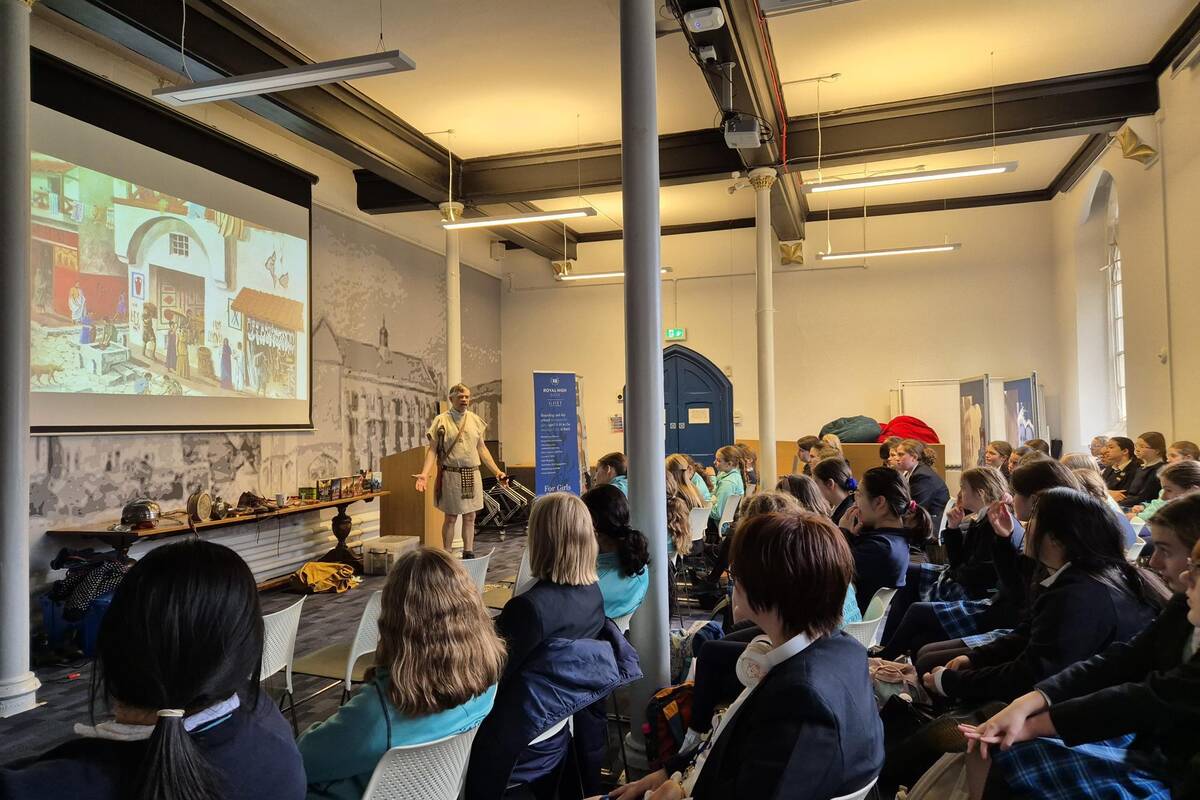
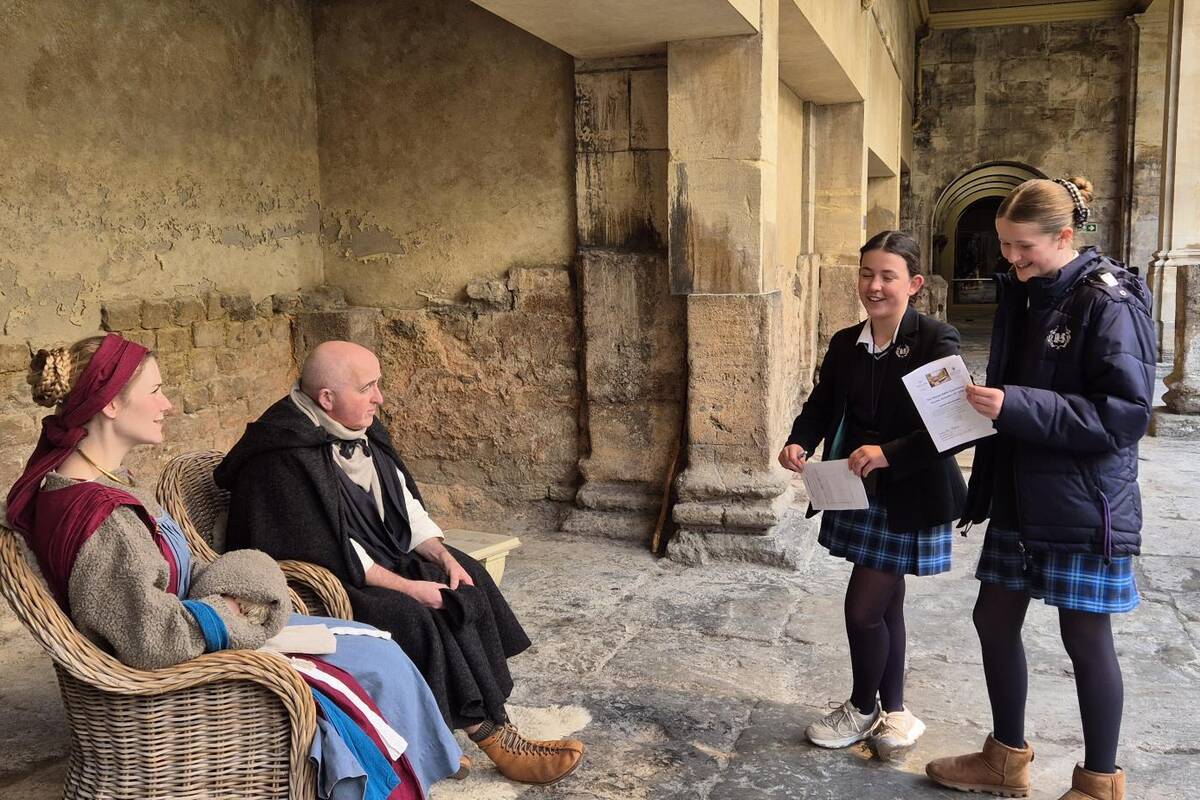
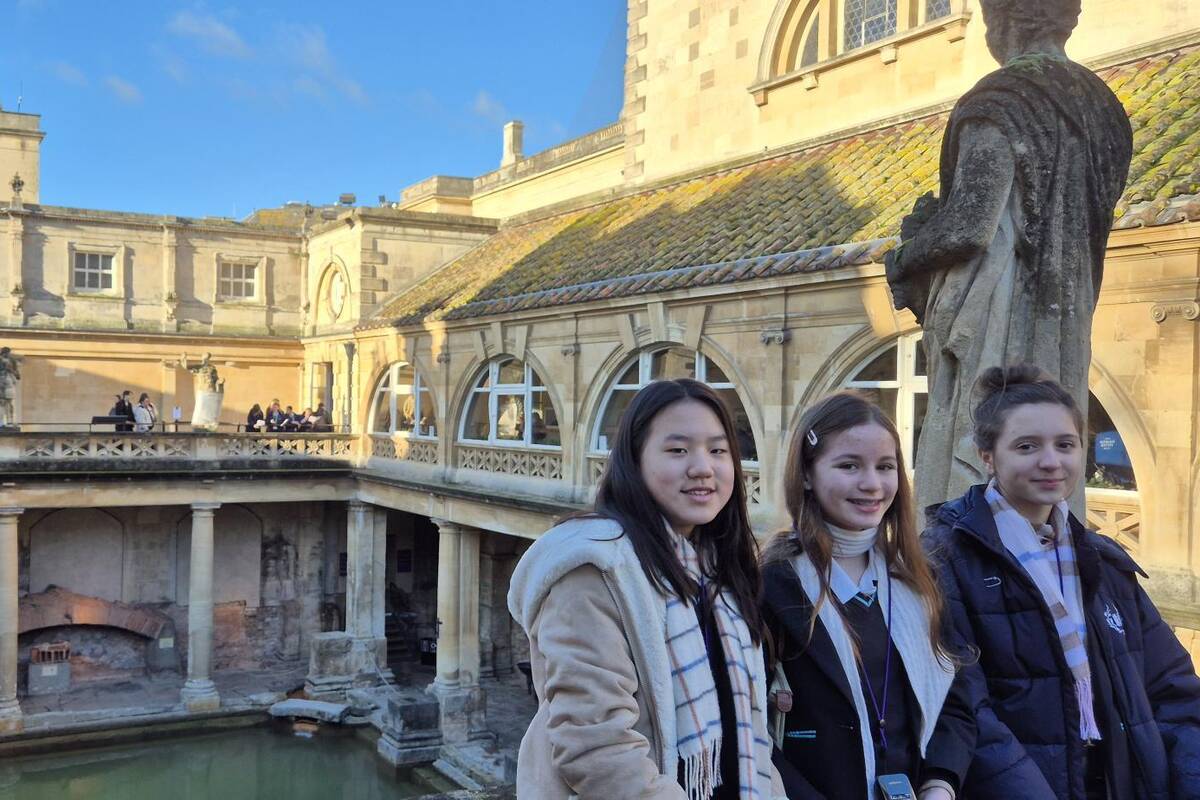
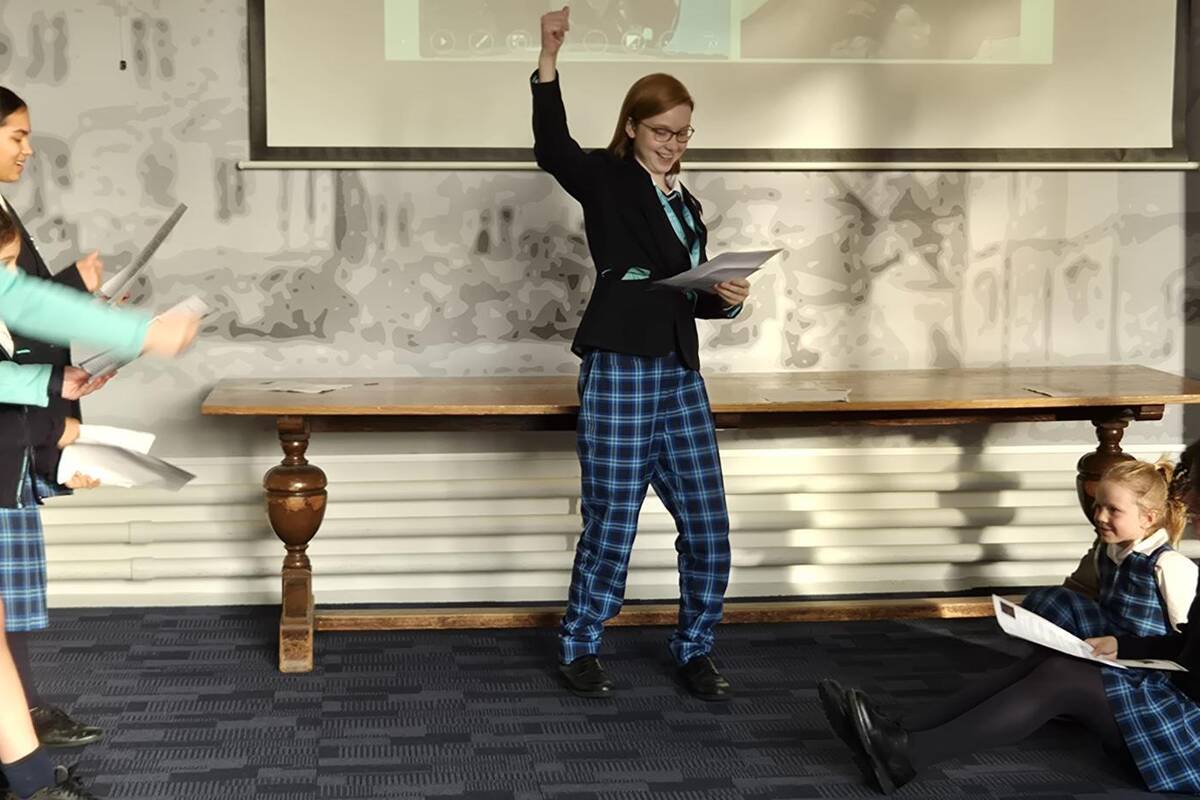
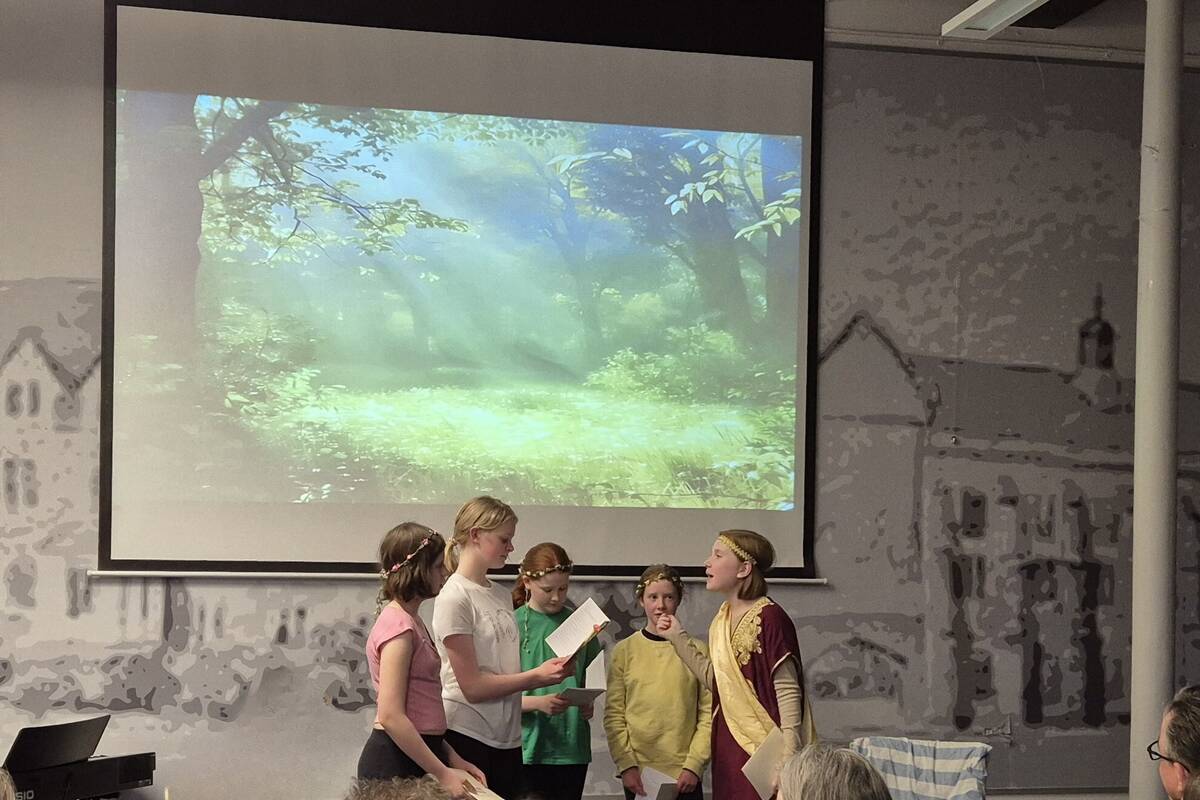
At RHB, all students in Key Stage 3 study a classical subject. This includes Latin, Classical Civilisation, and even some Classical Greek, with all three subjects offered up to A Level. Beyond timetabled lessons, students explore the ancient world through Myth Club, the Symposium, author talks, and trips. However, it is the regular, week‑by‑week lessons that allow students to develop their skills, deepen their understanding, and begin to appreciate the real beauty of these subjects.
Classical subjects are sometimes still seen as elitist or outdated. How often do we hear that Latin is a “dead language”, or that studying an ancient subject means there is nothing new to learn? My response is usually to invite such an observer to sit down while we explore the sheer scope, complexity, and modern relevance of Classics.

Learning Latin is about far more than memorising nouns and verbs or recognising familiar vocabulary in modern languages. Students experience real delight when they discover the origins of modern words and see how language evolves, helping them to expand and refine their own vocabulary. Translation, meanwhile, demands both precision and creativity: it must be grammatically accurate, yet fluent enough to convey meaning. In doing so, students encounter universal human experiences preserved in Latin literature, while also recognising the limits of modern language in fully capturing ancient values and ways of thinking.
A famous example is pius Aeneas. Translating pius simply as “pious” falls short of its full meaning, which encompasses duty to the gods, family, and state, while also carrying deep mythological and historical significance. Understanding this single word opens up discussions of epic poetry, Roman identity, and Augustus’ new reign after years of civil war. In essence, Classics teaches students that meaning is complex — and that complexity is worth exploring.
It is no easy task to explain just how rich a subject Classics can be. It encompasses myth, literature, science, history, art, sociology, psychology, and philosophy — and that is before we even turn to the ancient Greek world and language. So why should students study Classics? Quite simply, because there is something for everyone.
Classicists develop metacognitive skills, sharpen their thinking, and gain insight into the foundations of cultures across the world, as well as a deeper understanding of what it means to be human. But alongside this intellectual journey, Classics remains what it has always been: fascinating, fun, and full of opportunities for curiosity and exploration.